San Antonio Sober Living Houses: Extending Addiction Treatment Assistance
Recovery rarely moves in a straight line. The first weeks after detoxification or residential care can feel subjected, like getting out of a warm structure into a gust of chilly wind. Sober living homes exist to narrow that space. In San Antonio, they add framework, liability, and peer community to expand the gains made in official addiction treatment. When succeeded, a sober living stay can be the silent bridge between treatment and a sturdy life in recovery.
What sober living actually provides
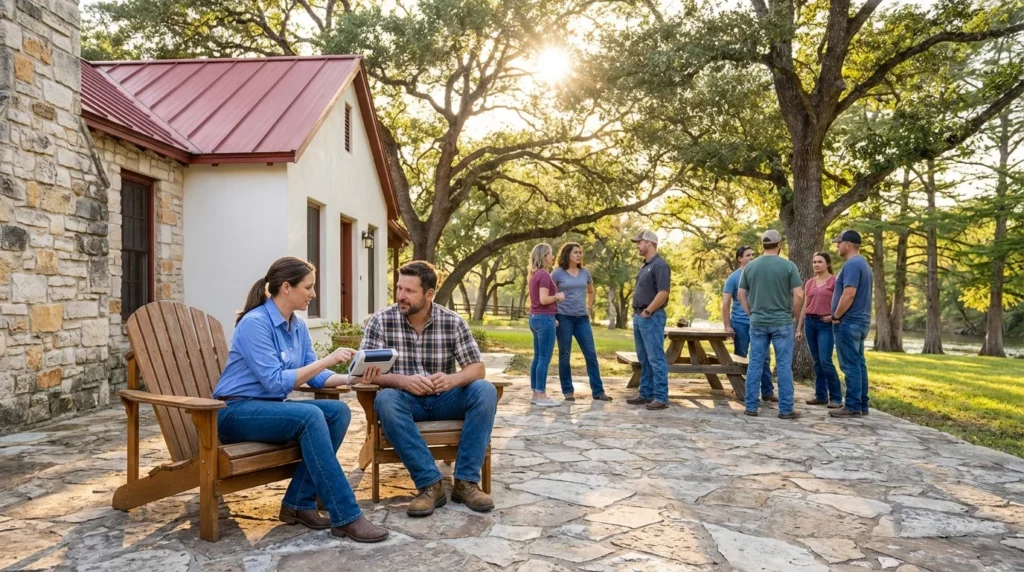
Think of sober living as a purpose-built environment as opposed to one more degree of clinical treatment. The homes are normally regular homes in domestic communities, with shared bedrooms, usual food preparation areas, and posted guidelines. The core components look simple on paper, yet with each other they matter.
Residents consent to abstinence and submit to routine and random drug and alcohol testing. Curfews, chore routines, and house conferences maintain the rhythm. Most homes call for recurring involvement in outpatient therapy, peer recuperation meetings, or both, and several ask locals to work or volunteer a minimal variety of hours each week once they are stable. Managers or elderly peers keep order, mediate problems, and strengthen expectations.
This is not a health center, not a midway residence operated by the criminal justice system, and not a licensed treatment facility. Medical solutions, such as therapy or medication management, usually occur offsite with addiction treatment companies or telehealth. When a home is healthy, it works as a living lab for healing skills, letting residents exercise common life with phenomenal support.
The San Antonio landscape
San Antonio has a lengthy history of peer-led recovery. You can feel it in the thickness of mutual help meetings throughout the city, from midtown churches to recreation center along the Loop. That community shapes sober living below. Many homes straighten informally with local 12 Step teams or nonreligious alternatives, and some coordinate directly with outpatient programs and detoxification units. The city's size permits variety. There are homes near significant bus lines for locals who depend on VIA, quieter homes in the North Side for those that want distance from triggers, and veteran-focused settings on the West Side where armed forces culture and trauma-informed routines lead the day.
Not every sober living home in the region looks the exact same, and that is the factor. Some residences comply with a democratically run version where locals vote on problems and select officers. Others keep a tighter top-down framework with a live-in house supervisor and stricter time limits. Several homes belong to nationwide networks, consisting of Oxford House, which has a tendency to stress resident self-governance. Others operate under the criteria of the National Partnership for Healing Residences, frequently abbreviated NARR, which offers a collection of evidence-informed practices. The majority of sober houses in San Antonio fall into NARR Level I or II, suggesting they are peer-run or monitored homes with healing support however marginal on-site professional services.
Why this matters between therapy appointments
For a person who just completed 28 or 45 days of domestic care, the next 90 days are high threat. New routines are delicate, social circles need improving, and still time can be dangerous. Sober living smooths that reentry. It prolongs the social liability of therapy without the intensity and price of inpatient care. Locals relearn tiny however definitive habits, like food preparation supper before a conference, carpooling with peers, and tracking paychecks so rent gets paid on time.
From a systems point of view, this aids San Antonio's continuum of care. Residential beds commit those that require medical stabilization, while motivated graduates move right into recuperation homes and keep energy in outpatient treatment. Households get a bit of breathing space to reconstruct trust at a sustainable speed. Employers benefit also, given that workers in sober living tend to have foreseeable schedules and assistance to manage very early recuperation stress.
A day in the life
Mornings in a well-run San Antonio sober living home often tend to be orderly. Kitchen areas hum as homeowners make coffee and shuffle eggs. Duties revolve, so someone wipes down counters and another person obtains garbage before work or treatment visits. Rideshares form naturally. By midafternoon, people cycle back from IOP groups or work shifts and start preparing dinner. Nights typically include assistance conferences, residence check-ins, or recuperation mentoring sessions. Time limit differs by residence and by standing. New locals may have a 9 pm curfew with a strict sign-in procedure, while somebody 6 months in and flourishing at their job could have even more flexibility.
Anecdotally, the tiniest rituals bring huge weight. There is the local that discovered to establish two alarms for very early change job, one more who maintained regression at bay by co-leading a Sunday evening meeting, and the dad that made use of residence quiet hours to FaceTime his youngsters. The structure of daily life is what the majority of people remember after they finish: much less drama, more regular, pleasant nudges from housemates, and accountability that feels like care as opposed to surveillance.
Who benefits most
Sober living is not just for individuals fresh out of detoxification. It can be a strong fit after partial hospitalization or extensive outpatient programs. It likewise serves those tipping down from the justice system who have actually currently supported clinically and want neighborhood while they browse probation and task hunts. For individuals on medication for opioid use condition, such as buprenorphine or methadone, the fit relies on your house's viewpoint. Some San Antonio homes are fully medication-friendly and incorporate tablet counts or lockboxes into their routines. Others are not. Clarify this early to stay clear of dispute or unneeded moves.
I have actually seen the biggest gains for residents that arrive with three ingredients: a determination to comply with structured regulations, a minimum of one hour each day for recuperation tasks, and either a job strategy or a strategy to develop one within a couple of weeks. Without those, the home can feel like extended limbo. With them, it becomes a springboard.
Costs, settlements, and what insurance policy does and does not cover
Most sober living homes in San Antonio operate a regular monthly charge, occasionally called program costs or lease. Shared rooms keep prices lower, while exclusive spaces, when readily available, set you back more. Varieties vary by neighborhood, features, and staffing, but lots of houses fall someplace between the mid hundreds and simply under a thousand bucks each month. Utilities are generally consisted of, and down payment requirements commonly match one month of fees. Food is generally on the homeowner, though a couple of homes keep a shared staples budget.
Insurance typically does not spend for room and board in sober living. That shocks families who just worked through advantages for domestic or extensive outpatient treatment. Fortunately is that insurance, including numerous Texas strategies and Medicaid for those who qualify, can still cover ongoing therapy, psychiatry, and medicines supplied independently via addiction treatment carriers. Some locals spot together budget plans with part-time work, family assistance, or little recovery grants from local nonprofits. A handful of homes offer minimal scholarships or moving scales for brief periods, but these are time restricted and subject to engagement.
Safety, criteria, and what to get out of accountable operators
Reputable homes post their rules, gather fees in a transparent means, and keep clear procedures for drug screening and probationary condition. They likewise established assumptions for visitors, particularly overnight guests, and they deal with unwanted sexual advances or scare tactics decisively. Bathrooms ought to have functioning locks, medicines need to be saved safely, and common areas must be reasonably clean. Anticipate a created resident agreement, an easy orientation list, and get in touch with details for your house manager and the owner or board member managing the property.
In Texas, sober living homes are not accredited like therapy facilities, which is why aligning with NARR criteria matters. Level I and II homes need to demonstrate peer assistance, normal meetings, and area assimilation. If a home partners with an outpatient center, the roles need to be distinct. Medical decisions come from accredited suppliers, not residence supervisors. Medicine screening need to be consistent and recorded, with a clear response plan for relapses that prioritizes safety and security initially, after that assistance, and just after that discipline.
Coordination with addiction treatment in San Antonio
When sober living and scientific care operate in sync, citizens feel it. A typical arrangement includes weekly interaction in between your house supervisor and the local's specialist or case supervisor, with written launches in place. If a resident starts to miss IOP sessions or shows indicators of destabilizing, the group can intervene early, commonly with a temporary escalation of assistances instead of an eviction. Some homes host onsite recovery mentoring, life abilities workshops, or employment assistance, which enhance yet do not replace therapy.
San Antonio's therapy area works throughout city lines, especially when coordinating with Veterans Affairs suppliers and specialty programs in Bexar Region. For individuals looking for addiction treatment in San Antonio, it assists to pick programs that recognize the sober living landscape and can suggest homes that match your requirements and medications. For households browsing broadly throughout the state, ask prospective programs about their partnerships with recovery homes in your target area. Solid ties between Addiction treatment texas providers and sober homes can minimize paperwork, keep medicines streaming without spaces, and protect against miscommunication around curfews or work schedules.
Special populations and customized supports
Veterans commonly do better in homes that comprehend army culture. San Antonio's professional area is strong, and some residences straighten very closely with VA instance monitoring, approve TriWest payments for professional solutions offsite, and host peer advisors with solution backgrounds. Women with youngsters encounter distinct obstacles, especially around child care and lawful setups. A few homes in the region permit overseen visitation and collaborate with family members courts, though space is limited and regulations are strict to keep the environment predictable.
Young grownups benefit from homes that stabilize framework with possibilities to build age-appropriate independence, like enrolling in neighborhood university or learning money management. At the same time, homeowners with co-occurring mental health conditions need homes comfortable with psychological medications and happy to coordinate with prescribers. Medication storage space and consistent dosing routines keep everyone safer.
A brief situation vignette
A 34-year-old male, call him R, finished 35 days of residential addiction treatment after a stimulant relapse that hindered his job at a warehouse. He relocated into a sober living home on the North East Side, shared a space, and participated in IOP three evenings weekly. Your house needed 4 conferences weekly, evidence of job search activity, and a 10 pm curfew for the first month.
R had 2 close calls. The first can be found in week 3 when a previous utilizing buddy messaged him regarding a celebration. He handed the phone to his roomie, who obstructed the number and recommended a late conference that night. The second can be found in week 7 when his initial income arrived, and he really felt the old impulse to celebrate. Your home supervisor had actually preempted this by asking residents to deposit incomes within 24 hr and to track spending. R went with two housemates to open a separate financial savings account.
At 4 months, R had steady work, transferred to a senior resident port with a later time limit, and shifted to basic outpatient treatment. He finished at six months, discovered a studio apartment nearby, and kept attending a Thursday meeting with former housemates. The tale is not grand, which is the point. Incremental assistance, sharp boundaries, and peer accountability did the work.
Red flags and preventable mistakes
Not all homes are equivalent. A few indication recur. Vague cost frameworks that alter month to month, inconsistent or suspiciously rare drug testing, and a rotating door of locals without clear documentation of discharges are the most common. Homes that prohibit all medicines, consisting of legitimate psychological prescriptions, area residents at unnecessary risk. Houses that guarantee guaranteed work yet can not explain the company partnership typically dissatisfy or skirt labor rules. Lastly, a home that isolates locals from family members, treatment, or outdoors conferences can become a bubble that falls down under stress.
From locals, one of the most preventable mistakes are easy. Bringing in charming partnerships as well quickly, skipping conferences throughout the very first steady work month, and concealing economic problem from your house manager all increase relapse threat. It is much better to over-communicate and ask for aid early.
How to pick a San Antonio sober living home
- Ask concerning policies on drugs, medicine screening frequency, and response to relapse. Get answers in writing.
- Request a scenic tour throughout night hours to see house culture when most locals are home.
- Clarify regular monthly costs, deposits, refund policies, and what is included, such as energies and supplies.
- Verify links with outpatient companies and validate that transportation, bus courses, or rideshares are practical for your schedule.
- Speak with at least one present resident privately regarding safety, tidiness, and whether policies are used fairly.
Building a change plan that sticks
The ideal time to intend sober living is before discharge from therapy. If you are working with a case manager, ask them to begin the procedure 2 weeks in advance. Numerous homes can perform phone interviews and hold a bed with a tiny down payment for a short period. If detoxification or property care ends quickly and you are intending on the fly, prioritize a secure, medication-friendly home initially, after that complete outpatient or peer assistance information within the first 48 hours.
Early structure is essential. Map out the first week by the hour. Morning regimen, therapy or IOP blocks, conferences, meals, and remainder all need to be defined. If work is not yet in position, deal with work search as a job with set hours. Pair up with a housemate that can co-sign on the plan and supply mild stress. If you are relocating to San Antonio for addiction treatment, ask your home state service provider to send out records and drug checklists straight to your brand-new center, then make certain the sober living manager recognizes where and when your initial visits are scheduled.
Connecting the dots with addiction treatment in San Antonio
San Antonio has a strong outpatient backbone, including programs that run day and evening teams for individuals who work. Many locals locate it easier to sustain recovery https://anotepad.com/notes/332qpdqq when treatment follows the very same once a week pattern for months. Select providers that stress relapse avoidance, trauma-informed care, and functional skills like sleep hygiene and feeling policy. Medication access matters as well. If you get on buprenorphine or extended-release naltrexone, validate that the prescriber can keep connection and that the sober living home can keep medications safely. For those exploring peer choices past 12 Action, San Antonio hosts SMART Recuperation, Refuge Healing, and faith-based groups across the city.
Care control is where good plans endure reality. With permission, encourage your therapist, prescriber, and home manager to exchange brief updates. A five-minute telephone call can protect against a missed dosage, an invoicing error, or a misconstruing about curfew. For families that live outside Texas yet are supporting an enjoyed one here, established a standing month-to-month phone call with the resident, the outpatient clinician, and your house manager. Maintain it brief and concentrated on progression, obstacles, and following steps.
When to step down and just how to finish well
Length of keep relies on objectives, finances, and security. Several residents in San Antonio stay 3 to six months, with much shorter or longer arcs depending on background and threat. Markers that suggest preparedness to vacate include regular unfavorable tests, at least two months of income stability, a regular meeting and treatment timetable, and a practical housing strategy that fits the budget with a pillow. Watch for the lure to fast-forward when the initial couple of incomes really feel huge. Relocating too quickly can recreate isolation and idle time.
Graduation must feel like a handoff, not an ending. Keep ties by continuing to participate in a regular home conference as an alum, if the home allows it. Keep the same outpatient and peer support schedule for at least a month after moving. If possible, move within the very same side of community to protect your commute, conference places, and routines. Uninteresting is great right here. Predictability maintains healing strong.
Final thoughts from the field
The power of sober living is not a secret. It is a mix of assumptions, peer assistance, and regular life done constantly. In a city the size of San Antonio, with its wide network of addiction treatment programs and recovery fellowships, these homes prolong treatment in sensible, human means. They give locals time to heal their schedules, not simply their yearnings. For households and experts assisting someone select a course, the concerns are easy and enlightening. That holds the tricks, exactly how are regulations applied, where do scientific solutions live, and what does a Tuesday night resemble in this house?
If the responses are clear, if the kitchen area is tidy at 8 pm, if citizens can call their next visit and their preferred conference, you are most likely in a location that turns early gains from addiction treatment into a sustainable regimen. That is the pledge of sober living in San Antonio, and when areas buy it, the returns turn up silently in pay stubs, lease receipts, and dinner tables that really feel secure again.
Ends · JOSUEXRGW179